
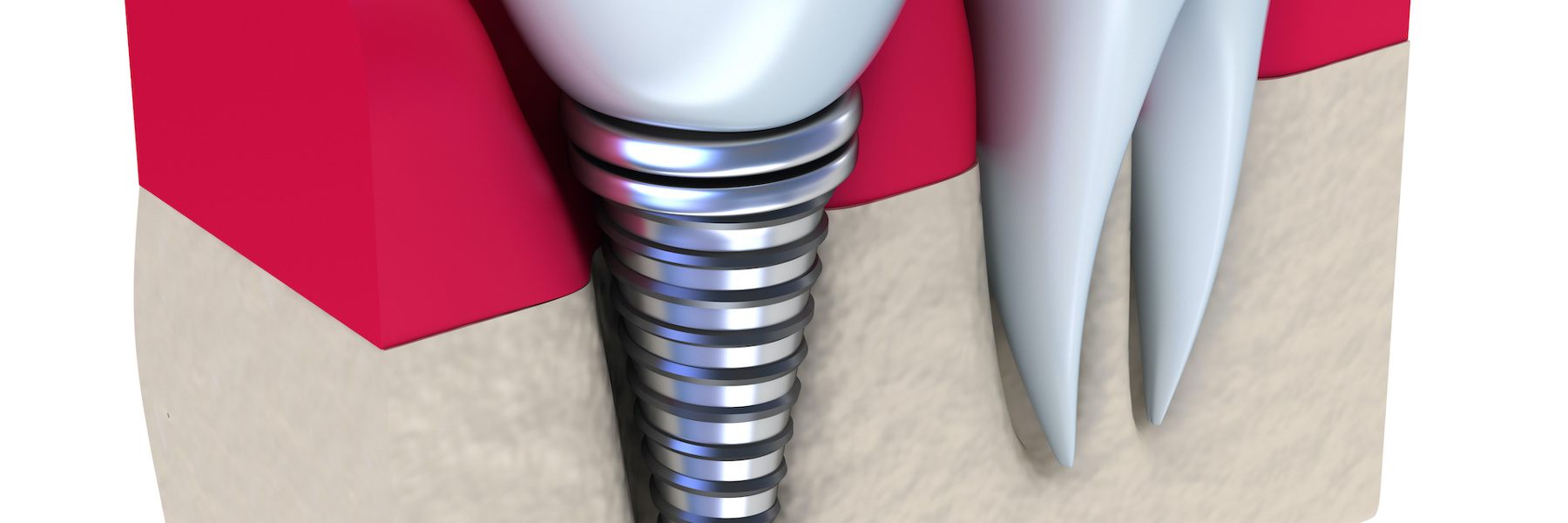

Dental implants are designed to be strong, sturdy replacements for missing dental roots. However, despite their remarkable nature, implants require healthy gum tissue and bone for support. When infection develops around an implant, it can lead to a condition called peri-implantitis, requiring professional intervention.
Understanding the warning signs and the steps you can take to prevent it can protect your implant’s long-term health.
What Is Peri-Implantitis?
Peri-implantitis is an inflammatory infection that affects the gum and bone surrounding a dental implant. It typically begins when bacteria accumulate around the implant, irritating the surrounding tissue. The earliest stage of peri-implant disease is called peri-implant mucositis, which causes redness, swelling, or bleeding in the gums around the implant. At this stage, the condition is often reversible with professional cleaning and improved home care.
If the infection progresses, it can begin to damage the bone supporting the implant. This more advanced stage, peri-implantitis, can lead to symptoms such as persistent gum inflammation, tenderness, bad breath, or implant loosening if the supporting bone is compromised.
What Causes Peri-Implantitis?
The most common cause is plaque buildup around the implant site. Just like natural teeth, implants collect bacteria if they are not cleaned thoroughly. Certain other risk factors can increase the likelihood of peri-implantitis. These include:
- A history of gum disease
- Smoking or smokeless tobacco use
- Poor or inconsistent at-home oral hygiene
- Skipping regular dental visits
In some cases, poorly fitting restorations or leftover cement around an implant crown can trap bacteria and contribute to infection.
How to Prevent Peri-Implantitis and Protect Your Smile
Preventing peri-implantitis largely comes down to consistent oral hygiene and routine dental care. Brushing twice daily, flossing around the implant, and using tools designed for implant care can help remove plaque before it causes inflammation or hardens into tartar.
Peri-Implantitis Treatment Options in Mesquite, TX
If peri-implantitis develops, treatment may involve deep cleaning, antimicrobial therapy, or other procedures to eliminate bacteria and stabilize the tissue surrounding the implant. Regular dental checkups are also essential. Your Mesquite dentist can monitor implant health and detect early signs of inflammation before more serious problems develop.
Regardless of the specific circumstance, early detection significantly improves treatment outcomes.
Expert Dental Implant Care in Mesquite, TX
If you’re in Mesquite and want to know more about keeping your mouth peri-implantitis-free and your dental implants healthy for years to come, contact Dr. RJ Loera and the excellent Town East Dental Group team to schedule a consultation.